
Scott R. McWilliams
Postdoctoral Fellow, University of Wisconsin at Madison (Wildlife Ecology)
Ph.D., University of California at Davis (Wildlife & Conservation Biology)
M.Sc., Iowa State University (Animal Ecology)
B.A., Hiram College (Biology, Psychology, Environmental Studies)
Education:
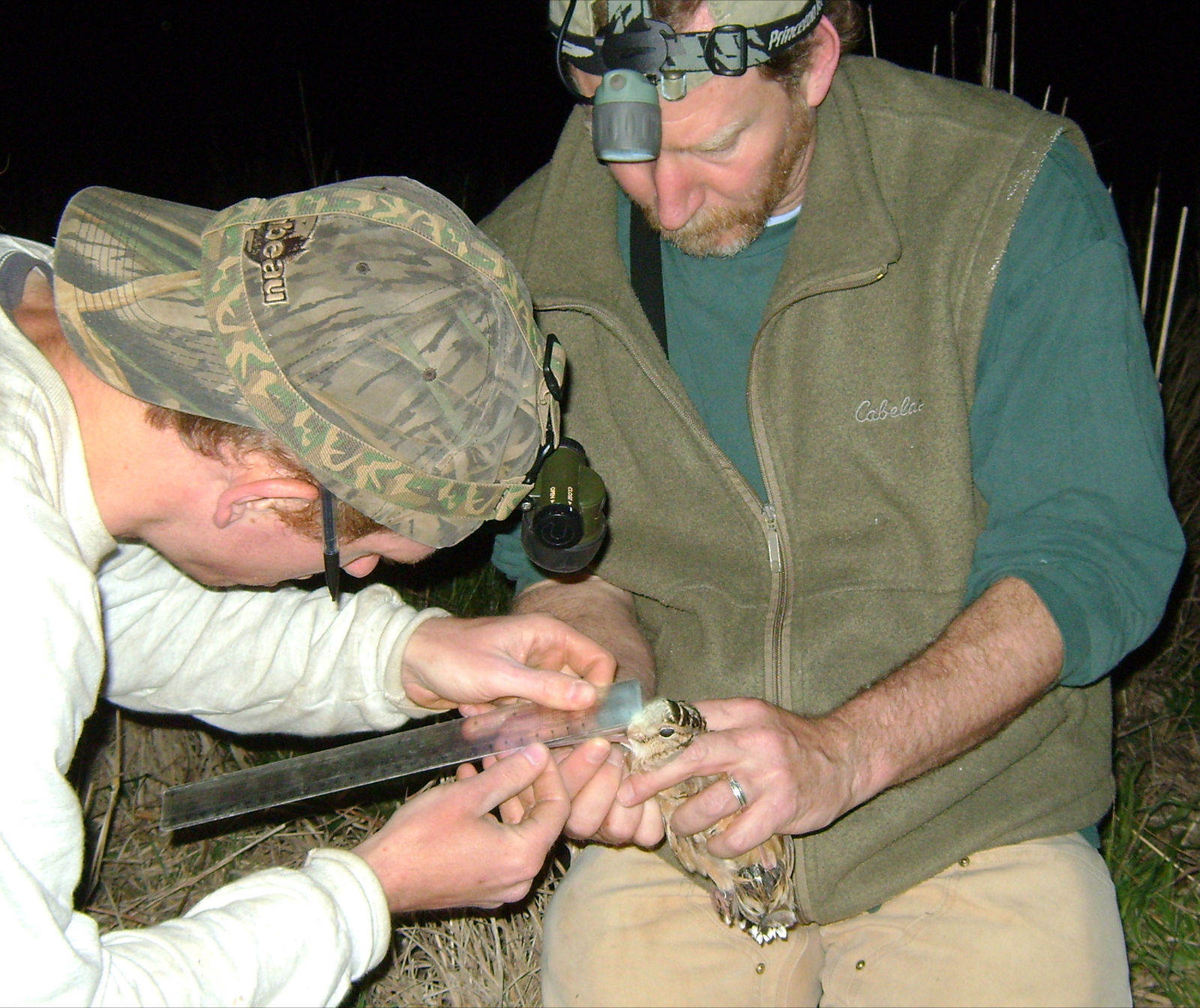
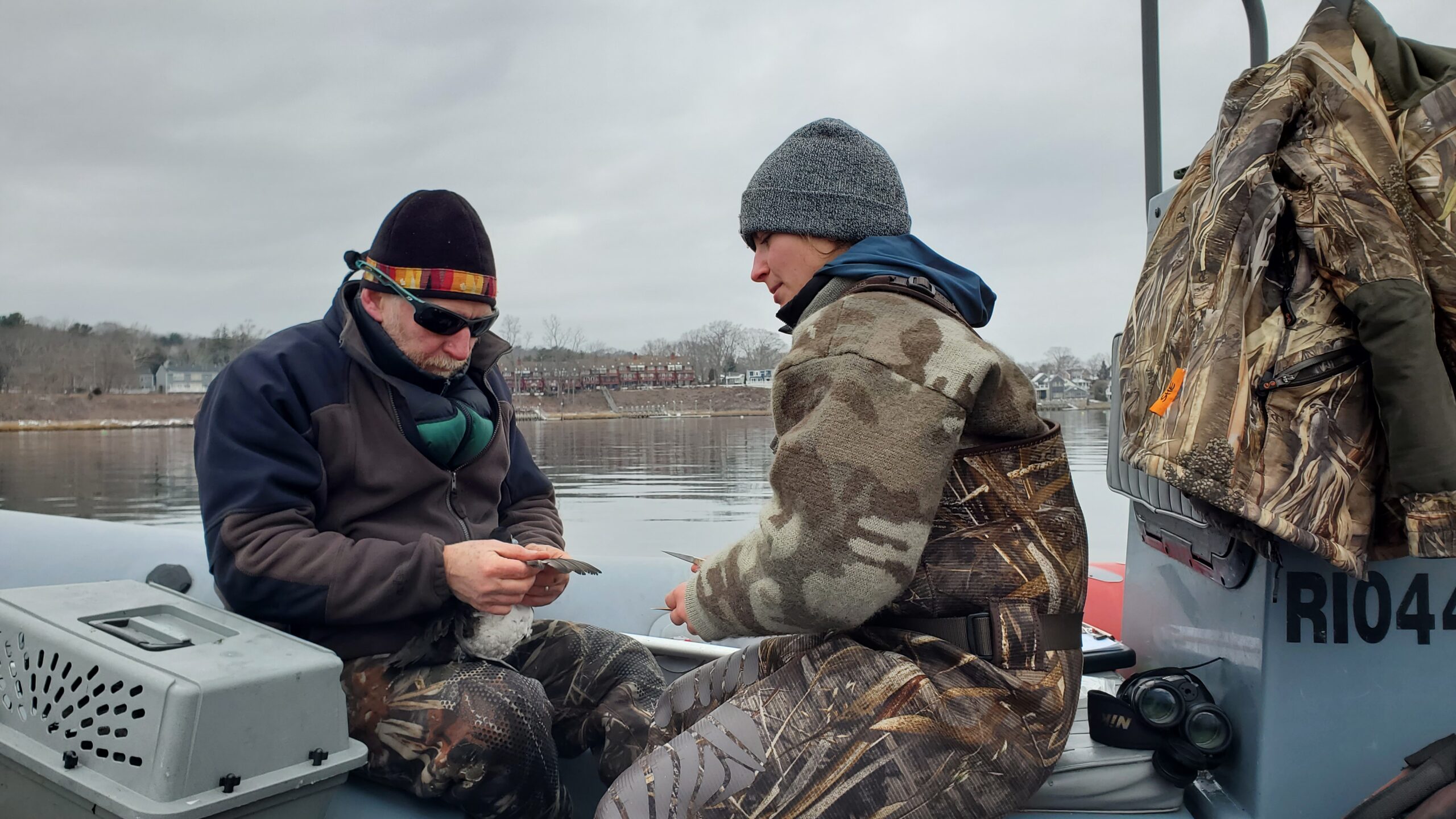
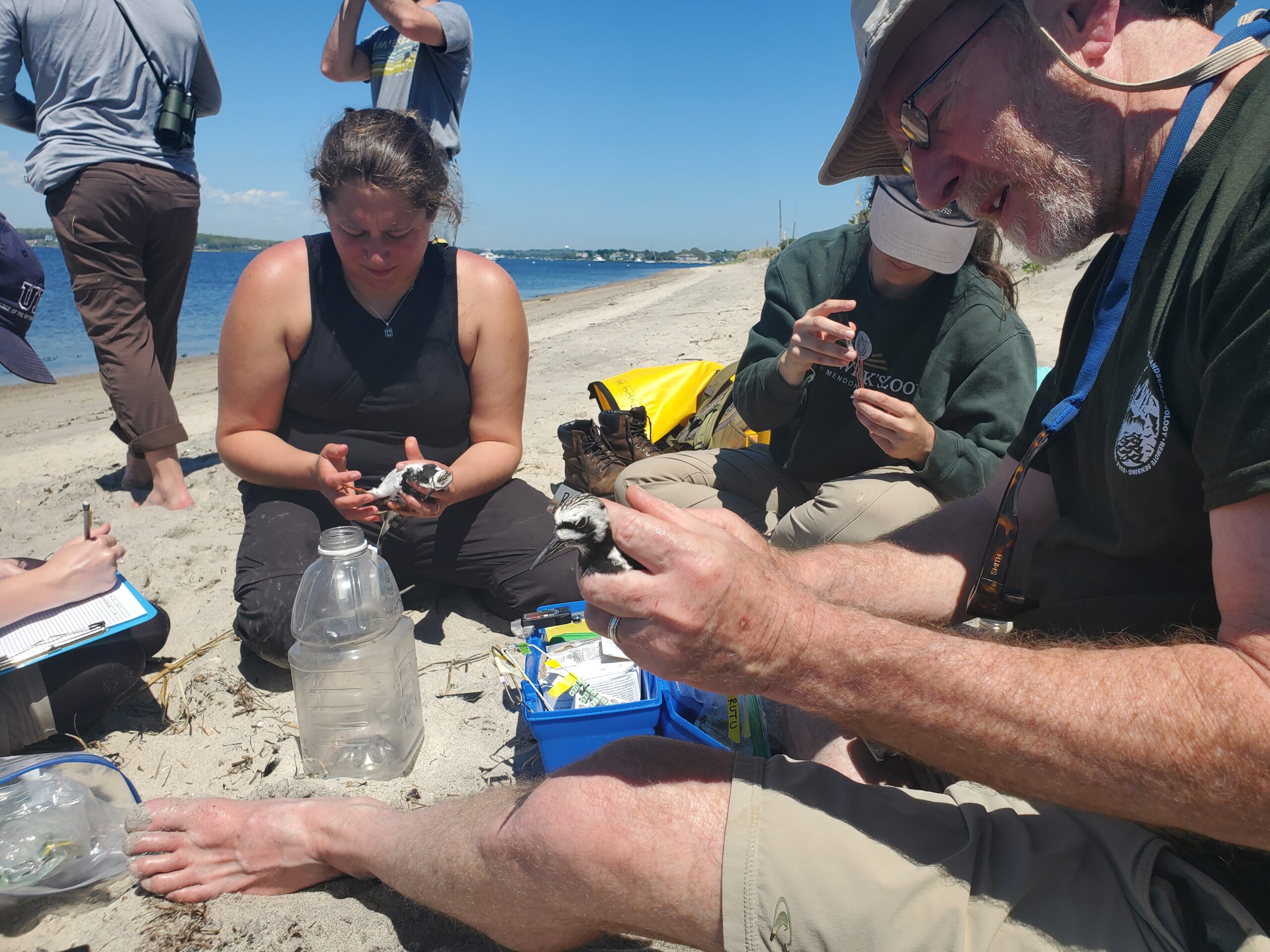
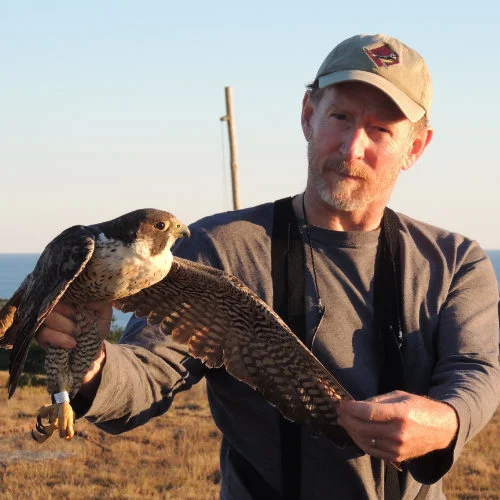
Prior to coming to URI, I was a Postdoctoral fellow at the University of Wisconsin (Madison). I earned my PhD from University of California at Davis where I studied the physiological ecology of arctic-nesting geese, and an MSc from Iowa State University where I studied the behavioral ecology of a threatened species of salamander. I earned a BA in Biology from Hiram College (Ohio). Our research group primarily focuses on the nutrition, physiology, and ecology of wild vertebrates, with an emphasis on migratory birds of conservation interest. Current research topics include the physiology and ecology of songbirds during migration; habitat use, diet, and nutrition of arctic-nesting geese, sea ducks, and migratory songbirds; forest management to support healthy bird populations; exercise physiology of long-distance migratory songbirds; effects of climate change on migratory birds; how offshore wind farms affect migratory birds.
Teaching:
Senior Colloquium (NRS 480)
Student-directed projects for reflection on educational accomplishments, exploration of post-graduate opportunities, and formulation of long-term professional goals. Requires completion of four major projects.
Wildlife Management Techniques Laboratory (NRS 309)
Application of practical field techniques for quantification and evaluation of wildlife and habitats. Methods of field identification, sampling, and data analysis.
Physiological Ecology of Wild Terrestrial Vertebrates (NRS 538)
Relationships between animal physiology and the ecology and dynamics of wild vertebrate populations, including birds, mammals, reptiles, and amphibians.
Advanced Ecology (NRS 550)
This course provides a survey of physiological, population, and community ecology. It encourages thinking and learning about key ecological concepts through primary literature, discussion, analytical writing, and problem sets.
Wildlife Conservation & Hunting (NRS 355)
This course is designed for students to gain knowledge of Rhode Island’s wildlife resources, the North American Conservation model, and management of natural resources through sustainable harvesting.